
How we work
A six step path from first conversation to a decision you make with real information. You can stop after any step.
Informing beats closing.
Our process is the thing that most sets us apart, and it is built on a simple bet: if we give leaders a genuinely clear picture of their situation, enough of them will choose to work with us that we never need to push.
So there is no pressure step. There is no proposal that arrives before we understand the business. Every stage below can be the last one, and you keep what you learned either way.

The six steps, in order.
This is the actual process, not a simplified version of it.
- Executive Leadership Conversation. Thirty minutes on TEAMS with Steve Orander, Troy Holwerda and Brian Beck, alongside your CEO or CFO. The purpose is to hear how you see your situation and to check whether the two organizations fit. We give initial feedback. We do not present anything.
- Mutual NDA. If both sides want to continue, we sign a mutual non disclosure agreement before anyone looks at anything. Your environment and your information stay yours.
- Discovery. We examine your environment as it actually is. Systems, configuration, backups, security controls, monitoring, and the places where knowledge sits with one person.
- Internal roundtable. Troy's team works through the discovery data together, focused on two questions: what is working well, and where is there exposure. This step happens before you see anything, so what reaches you has been argued about internally first.
- Client roundtable. Brian brings the findings into a presentation and we walk your team through all of it on TEAMS. Every data point, including the parts that reflect well on your current setup. At the end we ask whether you would like a budgetary proposal.
- The budgetary proposal. If you asked for one, we present it in a final TEAMS meeting and you decide. Our close rate at this stage is 82%, which we read as a sign that the earlier steps filter honestly.
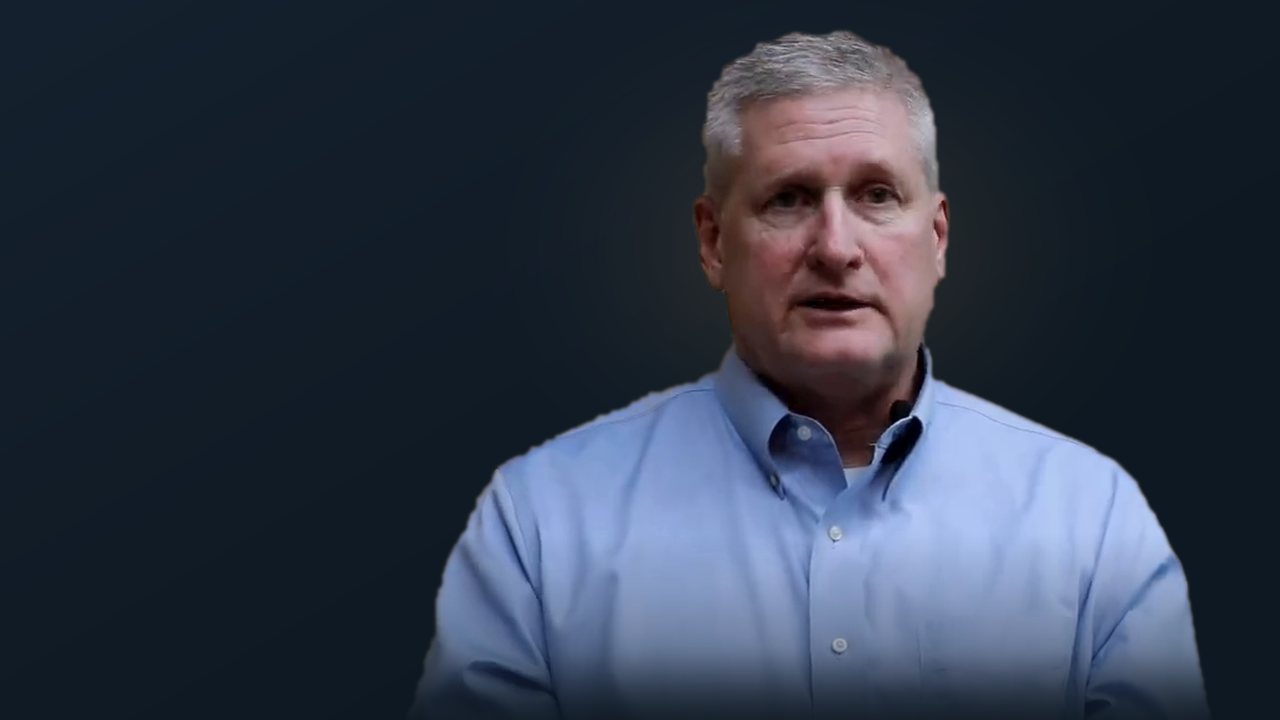
The process, explained by the people who run it.
Two and a half minutes on how the Executive Leadership Conversation, discovery and the roundtables actually work, from the leadership team rather than from a brochure.
The Executive Leadership Conversation
The same three people who join the first conversation maintain a consistent relationship to ensure alignment with our clients' priorities and business objectives and ultimately, ROI is recognized.
Steve Orander
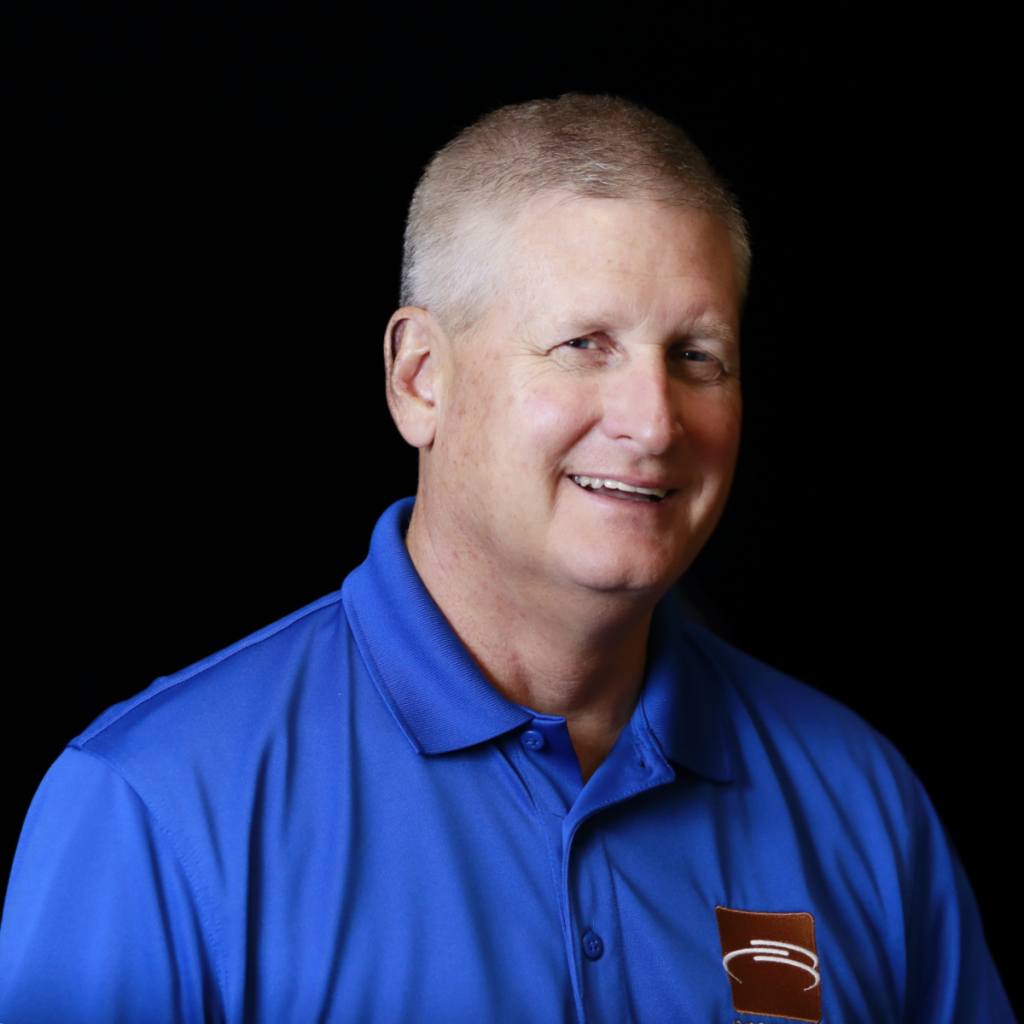
Leads the business conversation. Culture, management practice and cash flow, rather than specification.

Troy Holwerda
Owns the technical side. His team runs the discovery roundtable before anything reaches you.
Brian Beck
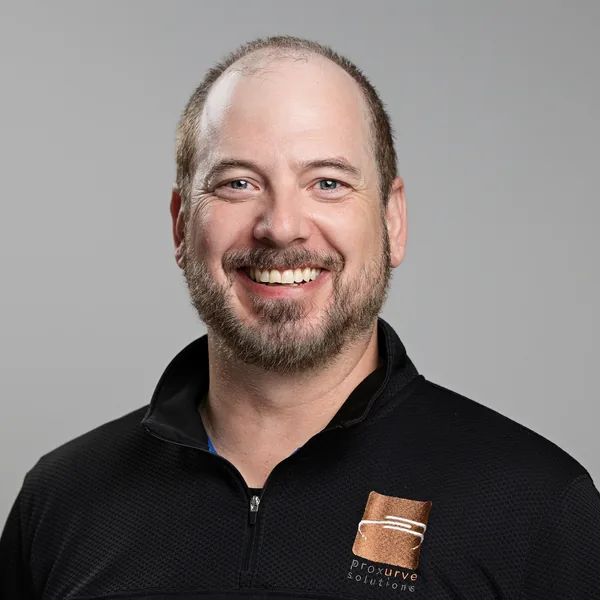
Builds the findings into the client roundtable and handles follow up. Thirty years in the industry.
Questions about the process.
What happens in the first thirty minutes?
We listen. You describe how you see your technology, what is working, what worries you and where the business is going. We ask questions and give you our initial read. Nobody presents anything, because we do not yet know enough to have a view worth presenting.
It is also a culture check in both directions. We are looking for whether we would work well together, and so should you.
Why do you sign an NDA before discovery?
Because discovery means looking at your actual environment, and that is your information rather than ours. It is mutual, so it protects both sides. It happens before any technical work starts, not after.
What does discovery actually involve?
We examine what is genuinely running: your systems, your configurations, your backups, your security controls and how they are being monitored. It is deliberately evidence based, because documentation and reality are usually two different things and the gap between them is where risk lives.
Am I obligated to buy anything?
No, and there is no point in the process where that changes. At the end of the client roundtable we ask whether you would like us to prepare a budgetary proposal. If the answer is no, the process ends there and you keep the findings.
How long does the whole process take?
It varies with the size and complexity of the environment, but a typical path from first conversation to a presented budgetary proposal runs a few weeks rather than a few months. The pace is largely set by how quickly we can get access to look at things.
Step one is a thirty minute conversation.
Nothing is presented and nothing is sold. We listen to how you see your technology and tell you what we think.